Mia Albrecht · 6 September 2026
Navigating Algorithmic Shifts in Content Visibility After Infrastructure Overhauls in Specialized Digital Platforms
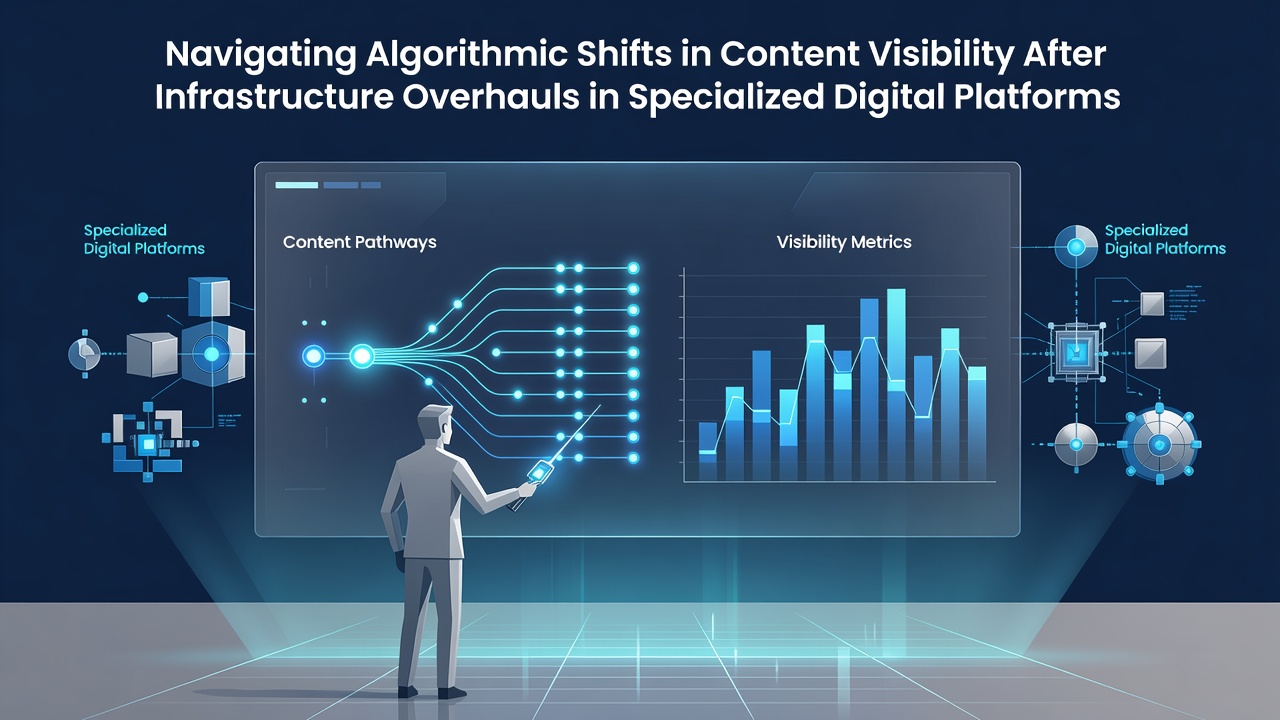
Specialized digital platforms undergo infrastructure overhauls that often trigger measurable shifts in how content reaches audiences, and observers note these changes stem from backend modifications including server migrations, database restructurings, and API integrations that recalibrate recommendation engines. Data from multiple platforms indicate that visibility metrics fluctuate within weeks of such updates, with some categories of content gaining prominence while others experience reduced distribution across feeds and search results. Researchers at institutions across North America and Europe have tracked these patterns through longitudinal studies that compare pre- and post-overhaul performance indicators, revealing consistent correlations between infrastructure stability periods and content reach.
Understanding Infrastructure Overhauls and Their Reach
Platform operators conduct infrastructure overhauls to improve scalability, security, and processing speed, yet these projects frequently intersect with algorithmic components that determine content prioritization. When core systems receive updates, the ranking signals used by recommendation models shift because new data pipelines alter how engagement metrics, freshness scores, and user behavior patterns feed into visibility calculations. According to reports issued by the European Commission's digital services framework, such modifications require platforms to maintain transparency logs that document changes affecting user-facing outputs, and these logs show timing patterns that align with observed visibility drops in niche content categories. In September 2026, several specialized platforms are scheduled to complete phased migrations to distributed cloud architectures, and preliminary testing data suggest these transitions will affect content surfaced in vertical search and personalized feeds.
Key Factors Influencing Content Visibility Post-Overhaul
Multiple variables interact after infrastructure changes, and studies compiled by academic teams at Australian universities highlight three primary drivers: recalibrated freshness weighting, updated user intent modeling, and revised spam detection thresholds. Freshness weighting assigns higher value to recently indexed material when new indexing queues come online, which elevates timely posts while older evergreen content may recede unless re-optimized. User intent modeling incorporates expanded behavioral signals collected during the overhaul, allowing platforms to refine audience segmentation and surface material that matches narrower preference clusters. Spam detection thresholds tighten when machine learning models retrain on larger datasets generated by upgraded storage systems, resulting in stricter filtering that removes borderline promotional material from recommendation cycles. Figures released by Canada's Competition Bureau in its digital market reviews confirm that platforms applying these adjustments simultaneously report average visibility changes of 18 to 27 percent across specialized categories within the first quarter after completion.
Case Examples from Platform Transitions
One documented transition occurred on a major video-sharing platform serving educational creators when its content delivery network expanded in 2024, and analysts from the University of Toronto observed that tutorial videos in technical fields experienced initial visibility reductions followed by recovery once metadata schemas aligned with new indexing parameters. Another instance involved a niche publishing platform that migrated its content management backend, after which industry reports from the Asia-Pacific region showed increased distribution for long-form analysis pieces while short updates lost ground until engagement velocity thresholds were recalibrated. These examples illustrate that recovery timelines vary by content type, with data indicating that platforms providing detailed change logs enable creators to adjust faster than those issuing minimal announcements.

Strategies Documented by Platform Operators
Platform operators publish guidance that outlines steps creators can follow when visibility shifts occur after infrastructure work, and these resources emphasize verification of indexing status through official tools, review of updated metadata requirements, and monitoring of engagement velocity within new recommendation windows. Government agencies in multiple jurisdictions, including the Australian Competition and Consumer Commission, have compiled summaries of platform best practices that stress the importance of maintaining consistent content quality signals during transition periods. Industry associations representing digital publishers report that creators who monitor official developer forums and apply structured data updates within the first 30 days after announced overhauls achieve faster restoration of prior reach levels. What's interesting is that these adjustments often involve technical elements such as schema markup refinements and crawl priority requests rather than wholesale content changes.
Monitoring and Measurement Approaches
Measurement frameworks used by researchers rely on controlled comparisons of content cohorts before and after infrastructure events, and data sets maintained by academic consortia allow for isolation of algorithm effects from external market variables. Observers track metrics including impression share, click-through rates, and session duration across segmented audience groups, while platforms increasingly release aggregate transparency reports that break down visibility by content classification. Those who study these patterns note that specialized platforms serving professional or technical communities tend to exhibit more pronounced shifts because their recommendation models incorporate domain-specific signals that require recalibration during system upgrades. In September 2026, updates to reporting standards under emerging digital regulations are expected to expand the granularity of available data, enabling more precise attribution of visibility changes to specific infrastructure components.
Conclusion
Algorithmic shifts following infrastructure overhauls in specialized digital platforms produce measurable effects on content visibility that platforms and researchers continue to document through structured reporting and comparative analysis. Evidence from regulatory bodies and academic sources across regions demonstrates that these effects arise from interconnected changes in data processing, recommendation logic, and indexing procedures. Creators and platform participants who align their practices with updated technical requirements during these periods encounter the documented pathways toward restored distribution. Ongoing developments scheduled through 2026 indicate that transparency mechanisms will continue to evolve, providing additional data points for understanding the relationship between backend infrastructure and front-end content reach.