Mia Albrecht · 18 October 2026
How Specialized Note-Taking Applications Adapt Their Tagging Mechanisms Following Major Platform Updates
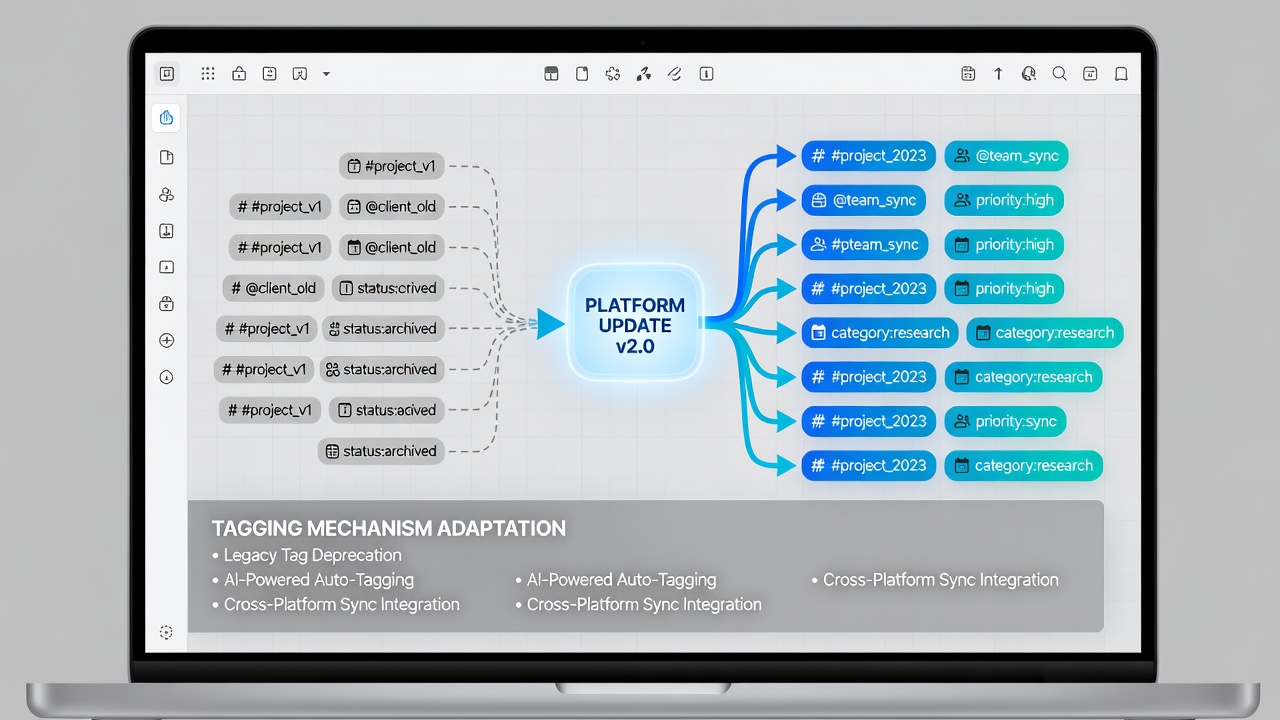
Specialized note-taking applications have long relied on tagging systems to organize user content, yet these mechanisms face continuous pressure when operating system providers roll out major revisions that alter data access protocols, search frameworks, and privacy controls; developers respond by recalibrating tag structures to maintain functionality while complying with new technical requirements. Research from institutions across multiple regions shows that such adaptations often involve shifts from simple keyword labels toward hierarchical or relational tagging models that integrate with updated APIs.
Core Components of Tagging in Niche Applications
Applications designed for academic researchers, legal professionals, and creative teams typically embed tags as metadata layers that link notes across projects, and these layers must evolve when base platforms introduce changes to file systems or cloud synchronization services. Observers note that tagging often incorporates attributes like creation dates, cross-references, and permission levels, allowing users to retrieve information through multiple pathways rather than linear folder structures. Data from platform analytics indicate that after infrastructure updates, apps frequently migrate existing tags into new formats to prevent loss of historical connections between entries.
Adjustments Triggered by Operating System Revisions
When major platform providers release updates that modify notification handling or background data processing, note-taking services adjust their tagging engines to preserve performance; for instance, changes in permission models during the October 2026 release cycle prompted several applications to introduce dynamic tag validation that checks user consent before syncing labels across devices. Those who have studied these transitions report that developers implement fallback mechanisms, such as local tag caching, to ensure continuity when network-dependent features encounter revised security checks. What's significant is how these modifications often coincide with broader industry moves toward semantic tagging, where applications analyze note content to suggest or auto-generate labels that align with new search algorithms introduced by the platforms.
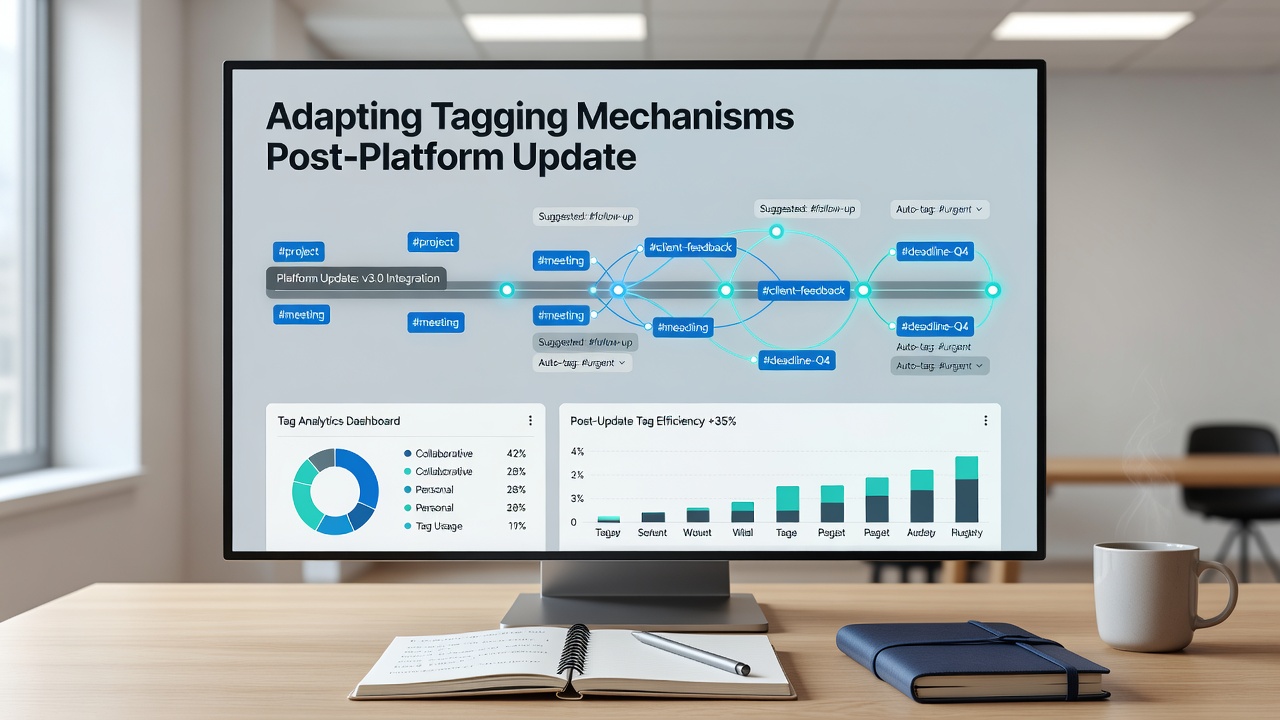
European digital strategy documentation highlights similar patterns in cross-border data handling, where applications must align tag metadata with updated interoperability standards to avoid fragmentation during platform transitions. In parallel, Canadian research initiatives on digital tools have documented cases where tagging systems incorporated new encryption requirements without disrupting existing user workflows.
Technical Strategies for Maintaining Tag Integrity
Developers frequently employ modular tag architectures that separate core labeling logic from platform-specific integration points, which allows quicker responses when updates alter underlying frameworks. Studies reveal that migration scripts play a central role, mapping old tag formats to new ones while preserving relationships that users have built over time. Applications also adopt versioned tag schemas, enabling backward compatibility so that notes created before an update remain accessible under revised rules. One documented approach involves embedding tags within structured data formats like JSON-LD, which supports richer queries and eases adaptation to platform-driven changes in search indexing.
Those monitoring industry responses point to increased use of machine-assisted tagging that learns from user patterns, thereby reducing manual adjustments after each major platform revision. This method proves particularly useful when updates affect mobile and desktop synchronization, since tags must remain consistent across environments with differing access constraints.
Case Examples from Recent Platform Cycles
Following the October 2026 platform adjustments, several specialized applications revised their tagging interfaces to support new contextual filters that leverage updated device sensors and location data under stricter privacy rules. Reports from academic sources describe how one service transitioned from flat tag lists to nested categories that automatically reorganize based on project timelines, a change that aligned with revised data retention policies. Another instance involved integration with external research databases, where tags gained standardized identifiers to facilitate citation tracking without violating new platform guidelines on third-party data sharing.
Long-Term Implications for Application Development
Continued platform evolution suggests that tagging mechanisms will incorporate greater support for linked data principles, allowing notes to connect seamlessly with external resources while respecting updated compliance frameworks. Industry organizations focused on software standards have tracked rising adoption of open tagging protocols that simplify future adaptations. As these systems mature, the emphasis remains on preserving user control over label creation and modification even as underlying technical requirements shift.
Conclusion
Specialized note-taking applications continue to refine their tagging mechanisms in response to platform updates by combining technical migrations, architectural flexibility, and emerging standards for metadata management. Evidence from multiple regions demonstrates that these adaptations sustain core organizational features while meeting new operational demands, ensuring that users retain efficient access to their accumulated notes across evolving digital environments.